Debt Payoff Strategies That Actually Work in 2026: Snowball vs Avalanche, Student Loans, Consolidation, and Becoming Debt-Free Before 40
Written on July 10, 2026
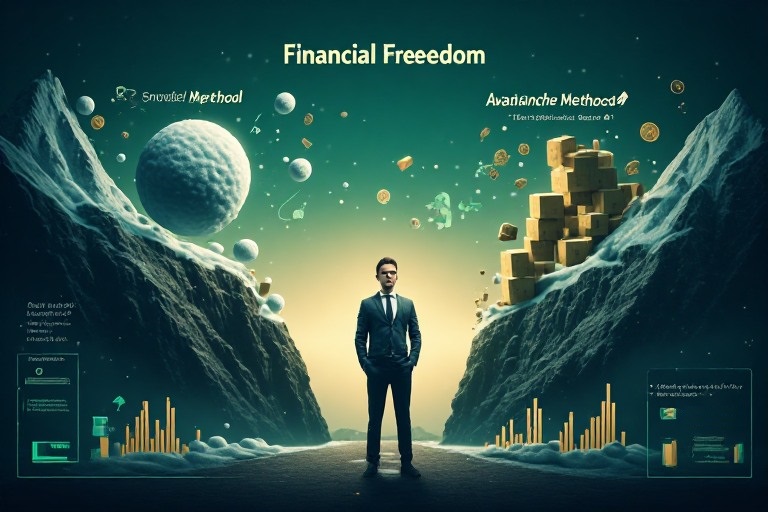
Debt Payoff Strategies That Actually Work in 2026
Debt has become one of the defining financial challenges for American households.
From rising credit card balances to student loans, auto financing, medical bills, and buy-now-pay-later accounts, millions of Americans are trying to figure out how to regain financial control without sacrificing their entire lifestyle.
According to Federal Reserve and consumer credit data published through 2025, U.S. household debt levels continue to remain historically high, especially revolving credit card debt with APRs frequently exceeding 20%.
The problem is not simply debt itself.
The real problem is lack of strategy.
Most people either:
- pay randomly
- focus on minimum payments
- emotionally avoid debt
- constantly refinance without reducing balances
- or attempt unrealistic budgeting systems that collapse after a few weeks
This guide breaks down modern debt payoff systems that actually work in real American households.
You’ll learn:
- debt snowball vs debt avalanche
- how to pay off debt faster
- smart student loan repayment strategies
- debt consolidation explained simply
- how debt impacts mental health
- realistic ways to become debt-free before 40
This is not theoretical finance advice.
These are practical systems used by people who successfully escaped five-figure and even six-figure debt.
Why Most Americans Stay in Debt Longer Than Necessary
Debt payoff is partly math.
But mostly behavior.
The average person already knows they should:
- spend less
- pay more
- avoid high interest
Yet many still remain trapped for years.
Why?
Because traditional advice ignores human psychology.
Financial stress creates:
- decision fatigue
- emotional spending
- avoidance behavior
- anxiety-driven purchases
- short-term thinking
A successful debt strategy must combine:
- mathematics
- behavioral psychology
- automation
- lifestyle sustainability
That’s why some people eliminate $50,000 of debt in four years while others remain stuck despite earning higher incomes.
Debt Snowball vs Debt Avalanche
One of the biggest debates in personal finance is whether the debt snowball or debt avalanche method works better.
The truth is:
both work.
But they work differently.
What Is the Debt Snowball Method?
The debt snowball method focuses on paying off the smallest balances first.
You make minimum payments on all debts except the smallest one.
Example:
| Debt Type | Balance | Interest Rate |
|---|---|---|
| Credit Card A | $1,200 | 24% |
| Personal Loan | $8,000 | 11% |
| Auto Loan | $18,000 | 6% |
You attack the $1,200 balance first.
Once eliminated, that payment rolls into the next debt.
The psychological momentum creates motivation.
This strategy became mainstream because many people quit long-term financial plans when they don’t see progress quickly.
Best For
- people who need motivation
- emotional spenders
- beginners
- inconsistent budgeters
- households overwhelmed by multiple bills
What Is the Debt Avalanche Method?
The debt avalanche method prioritizes the highest interest debt first.
Using the same example:
| Debt Type | Balance | Interest Rate |
|---|---|---|
| Credit Card A | $1,200 | 24% |
| Personal Loan | $8,000 | 11% |
| Auto Loan | $18,000 | 6% |
You attack the 24% APR debt first.
Mathematically, this saves more money over time.
Best For
- disciplined planners
- spreadsheet-focused budgeters
- high-interest debt situations
- financially organized households
Which Strategy Is Better in Real Life?
Behavior usually beats optimization.
Research from behavioral economists suggests emotional wins often matter more than mathematical perfection when building long-term habits.
If quick victories keep you consistent, snowball may outperform avalanche in practice.
However, if you carry large high-interest balances, avalanche can save thousands in interest.
Hybrid Strategy Recommendation
Many Americans now use a hybrid approach:
- Eliminate 1–2 small debts quickly
- Switch to avalanche for larger balances
This balances psychology and efficiency.
How to Pay Off Debt Faster
Paying off debt faster rarely comes from extreme frugality alone.
Most successful debt payoff stories combine:
- income expansion
- interest reduction
- automation
- strategic budgeting
Here are the highest-impact methods.
1. Use Biweekly Payments
Instead of monthly payments, split them into biweekly payments.
This creates:
- one extra annual payment
- faster principal reduction
- lower total interest
Especially effective for:
- mortgages
- auto loans
- student loans
2. Stop Paying Emotionally
Many people pay debt emotionally instead of strategically.
Examples:
- paying random balances
- making tiny extra payments inconsistently
- shifting focus every month
Instead:
- choose one system
- automate it
- stay consistent
Consistency matters more than intensity.
3. Lower Interest Rates Aggressively
Interest rate reduction accelerates debt payoff dramatically.
Options include:
Balance Transfers
Useful for:
- strong credit scores
- short-term aggressive payoff plans
Watch for:
- transfer fees
- deferred interest traps
Hardship Programs
Many lenders offer temporary APR reductions.
Especially during:
- job loss
- medical hardship
- income reduction
Refinancing
Can reduce:
- monthly payments
- interest costs
- repayment timeline
But refinancing only works if spending behavior improves.
4. Increase Income Temporarily
One of the fastest debt accelerators is temporary income expansion.
Examples:
- freelancing
- weekend gig work
- consulting
- tutoring
- selling unused assets
- overtime shifts
A temporary extra $800–$1,500 monthly can dramatically compress debt timelines.
Many debt-free households treat payoff periods like financial sprints instead of permanent suffering.
5. Avoid Lifestyle Inflation
One of the biggest hidden debt traps is income growth without intentional allocation.
People often increase:
- subscriptions
- car payments
- dining out
- luxury spending
before eliminating debt.
High earners can still remain financially fragile if debt expands alongside income.
Student Loan Repayment Strategies
Student loans remain one of the largest financial burdens for younger Americans.
The correct repayment strategy depends heavily on:
- income
- loan type
- career field
- forgiveness eligibility
- interest rates
There is no universal best plan.
Federal vs Private Student Loans
This distinction matters enormously.
Federal Loans
Usually offer:
- income-driven repayment
- forgiveness programs
- deferment protections
- hardship options
Private Loans
Often provide:
- fewer protections
- stricter repayment terms
- higher refinancing dependency
Always identify loan type first.
Income-Driven Repayment Plans
Federal borrowers may qualify for plans based on discretionary income.
Benefits include:
- lower monthly payments
- temporary breathing room
- potential forgiveness eligibility
However:
lower payments can increase long-term interest accumulation.
Best for:
- unstable income
- public service careers
- lower-earning graduates
Public Service Loan Forgiveness (PSLF)
PSLF can forgive remaining federal loan balances after qualifying payments while working for eligible employers.
Examples include:
- government roles
- nonprofits
- public education
- healthcare systems
Borrowers must follow precise compliance requirements.
Errors in documentation can delay forgiveness eligibility.
Student Loan Refinancing
Refinancing may reduce rates significantly for borrowers with:
- stable income
- strong credit
- private loans
- high interest rates
However, refinancing federal loans into private loans removes federal protections permanently.
That decision should never be rushed.
Fastest Student Loan Payoff Tactics
For aggressive payoff:
- allocate bonuses toward principal
- use autopay discounts
- refinance strategically
- avoid extended repayment plans
- maintain emergency savings simultaneously
Many financially successful households prioritize balanced progress over total financial deprivation.
Debt Consolidation Loans Explained
Debt consolidation is frequently misunderstood.
Consolidation is not debt elimination.
It is debt restructuring.
The goal is simplification and interest reduction.
How Debt Consolidation Works
A consolidation loan combines multiple debts into one payment.
Instead of managing:
- four credit cards
- personal loans
- medical debt
you combine balances into one structured payment.
Potential benefits include:
- lower APR
- simpler budgeting
- predictable payments
- lower stress
When Consolidation Helps
Debt consolidation works best when:
- APR reduction is substantial
- spending behavior changes
- repayment discipline improves
- cash flow stabilizes
Example:
| Before | APR |
|---|---|
| Credit Card 1 | 27% |
| Credit Card 2 | 24% |
| Personal Loan | 18% |
Consolidation Loan:
| New Loan | APR |
|---|---|
| Consolidated Debt | 10% |
This can significantly reduce total repayment costs.
When Consolidation Becomes Dangerous
Consolidation fails when people:
- continue using credit cards
- increase spending again
- treat consolidation like “free money”
This creates double debt.
One of the most common debt traps is:
- consolidating balances
- reopening credit usage
- accumulating new balances
- ending up with larger total debt
Behavioral correction matters more than consolidation itself.
Should You Use a Debt Management Company?
Some nonprofit credit counseling organizations help negotiate:
- lower interest rates
- repayment plans
- structured payoff systems
But consumers should avoid:
- predatory settlement firms
- unrealistic promises
- upfront fee scams
- companies guaranteeing debt erasure
Legitimate debt solutions are usually slower and more structured than advertisements suggest.
How Debt Affects Mental Health and Wealth
Debt impacts far more than finances.
Research consistently links financial stress with:
- anxiety
- sleep problems
- depression
- relationship strain
- burnout
Financial insecurity often reduces cognitive bandwidth.
People under constant money stress may struggle with:
- planning
- concentration
- long-term decision making
This creates a dangerous cycle where stress worsens financial behavior.
The Emotional Cost of High-Interest Debt
High-interest revolving debt creates chronic pressure.
Many Americans experience:
- fear opening banking apps
- anxiety checking balances
- guilt around spending
- emotional avoidance
This emotional burden can quietly shape daily life.
Debt payoff improves not only cash flow but psychological stability.
Financial Stress and Relationships
Money conflicts remain one of the leading sources of relationship tension.
Common causes include:
- hidden spending
- unequal financial habits
- differing priorities
- debt secrecy
- blame cycles
Couples who build transparent financial systems often reduce emotional tension significantly.
Recommended practices include:
- monthly financial check-ins
- shared payoff goals
- visible progress tracking
- non-judgment budgeting discussions
The Wealth Gap Created by Debt
Debt delays wealth creation.
High-interest payments reduce the ability to:
- invest
- save
- buy property
- build retirement accounts
- start businesses
For many households, eliminating debt becomes the first major step toward wealth building.
Becoming Debt-Free Before 40
Becoming debt-free before 40 is realistic for many Americans, but it usually requires intentional prioritization.
It rarely happens accidentally.
What Debt-Free Households Often Do Differently
People who eliminate debt earlier often share common behaviors.
They:
- avoid luxury car cycles
- maintain controlled housing costs
- automate savings
- increase income strategically
- delay lifestyle upgrades
- avoid high-interest consumer debt
Importantly, many still enjoy life.
Extreme deprivation is rarely sustainable.
The 5-Stage Debt-Free Framework
Stage 1 — Stop Financial Bleeding
Focus on:
- ending new debt accumulation
- tracking spending honestly
- stabilizing cash flow
Without this step, payoff systems fail.
Stage 2 — Build Emergency Savings
Even $1,000–$2,000 emergency savings reduces reliance on credit cards.
Unexpected expenses are one of the biggest causes of debt relapse.
Stage 3 — Attack High-Interest Debt
This phase generates the fastest financial improvement.
Prioritize:
- credit cards
- payday loans
- personal loans with extreme APRs
Stage 4 — Increase Net Worth Simultaneously
Debt payoff alone does not build wealth.
Once toxic debt shrinks:
- invest consistently
- capture employer retirement matching
- build long-term assets
Stage 5 — Prevent Lifestyle Creep
Many high-income earners remain trapped because spending scales with earnings.
Long-term financial freedom depends more on margin than income alone.
Realistic Debt-Free Timeline Examples
Example 1 — Moderate Consumer Debt
| Debt | Balance |
|---|---|
| Credit Cards | $12,000 |
| Auto Loan | $15,000 |
With:
- $1,200 monthly extra payments
- reduced discretionary spending
- side income
Potential payoff timeline:
2–4 years.
Example 2 — Large Student Loan Burden
| Debt | Balance |
|---|---|
| Student Loans | $85,000 |
With:
- refinancing
- income-driven planning
- increased earnings
- structured payoff strategy
Potential payoff timeline:
7–12 years depending on income growth.
Biggest Debt Payoff Mistakes
1. Ignoring Interest Rates
APR matters enormously.
A 25% credit card balance compounds aggressively.
2. Closing Old Credit Accounts Too Quickly
Closing accounts may impact:
- utilization ratio
- credit history length
- credit score stability
Always evaluate strategically.
3. Chasing Investment Returns While Carrying Toxic Debt
Paying off guaranteed 24% APR debt often produces stronger financial outcomes than speculative investing.
4. Depending Entirely on Motivation
Motivation fades.
Automation survives.
Use:
- autopay
- recurring transfers
- calendar reviews
- spending systems
5. Pursuing Unrealistic Budgets
Budgets fail when they eliminate all flexibility.
Sustainable systems outperform extreme temporary restrictions.
The Best Modern Debt Payoff Strategy for 2026
The most effective debt payoff systems combine:
- automation
- behavioral psychology
- interest optimization
- income growth
- long-term sustainability
A balanced framework often looks like this:
| Strategy | Purpose |
|---|---|
| Emergency Fund | Prevent relapse |
| Avalanche Method | Reduce interest |
| Snowball Wins | Build momentum |
| Consolidation | Simplify repayment |
| Side Income | Accelerate payoff |
| Automation | Ensure consistency |
The goal is not merely eliminating debt.
The goal is building financial resilience.
Frequently Asked Questions
Is debt snowball or avalanche better?
Avalanche saves more money mathematically, while snowball often improves motivation and consistency.
How much emergency savings should I keep while paying debt?
Most experts recommend at least $1,000–$2,000 initially before aggressive debt payoff.
Should I pay off debt or invest first?
High-interest debt usually deserves priority before aggressive investing.
Is debt consolidation worth it?
It can help if it lowers APR significantly and spending behavior changes permanently.
Can I become debt-free before 40?
Yes. Many Americans achieve this through consistent budgeting, strategic repayment, income growth, and avoiding lifestyle inflation.
Final Thoughts
Debt freedom is rarely created by one dramatic financial decision.
It is usually the result of hundreds of small, repeated choices.
The households that succeed long term are not necessarily the highest earners.
They are often the most intentional.
The most powerful debt payoff strategy is one you can maintain consistently for years without burnout.
Build systems.
Automate progress.
Reduce friction.
Track momentum.
And remember:
financial freedom is not about perfection.
It is about sustainable control.